Estimated Reading Time: 7 minutes
Key Takeaways
- CATL has become the first company to deploy humanoid robots at scale in new energy battery pack assembly, setting a new industry benchmark.
- The humanoid robot, Moz, excels at high-precision, high-voltage tasks like connecting battery connectors, significantly reducing safety risks and improving quality consistency.
- Powered by advanced vision-language-action models, Moz demonstrates remarkable adaptability, real-time adjustment capabilities, and a success rate exceeding 99% in complex operations.
- Moz not only performs core duties but also actively monitors, flags irregularities, and adapts to different battery models, achieving up to three times the daily workload.
- This deployment signifies a major leap in industrial automation, showcasing how embodied AI can transition from theory to high-volume manufacturing with tangible benefits.
Table of Contents
- The Dawn of a New Era: CATL Integrates Humanoid Robotics
- Moz: Precision, Safety, and Unmatched Efficiency in Action
- Beyond Mechanics: The AI Brain Powering Moz
- Transforming the Production Line: Beyond Core Duties
- A Collaborative Ecosystem: Spirit AI and CATL's Innovation Engine
- Pioneering the Future: What This Means for Industrial Automation
- Frequently Asked Questions (FAQs)
The Dawn of a New Era: CATL Integrates Humanoid Robotics
Have you ever wondered if the factory floors of tomorrow would truly be run by robots, working side-by-side with humans, handling tasks too delicate or dangerous for us? For many, it's a vision often relegated to science fiction, but today, that future is arriving faster than anticipated. Global battery giant CATL is not just imagining this future; they're building it, becoming the first company to deploy humanoid robots at scale in new energy battery pack assembly. This groundbreaking innovation is now live at their Zhongzhou facility, where these advanced automatons are already operating in real-world production conditions, revolutionizing the manufacturing landscape. This pivotal move dramatically shifts the paradigm for industrial automation, as CATL brings humanoid robots to battery production. See how this innovation boosts efficiency, shapes future manufacturing, and impacts industrial automation. Get key insights. This article will delve into how this deployment is enhancing safety, boosting efficiency, and setting new benchmarks for the entire industry.
Moz: Precision, Safety, and Unmatched Efficiency in Action
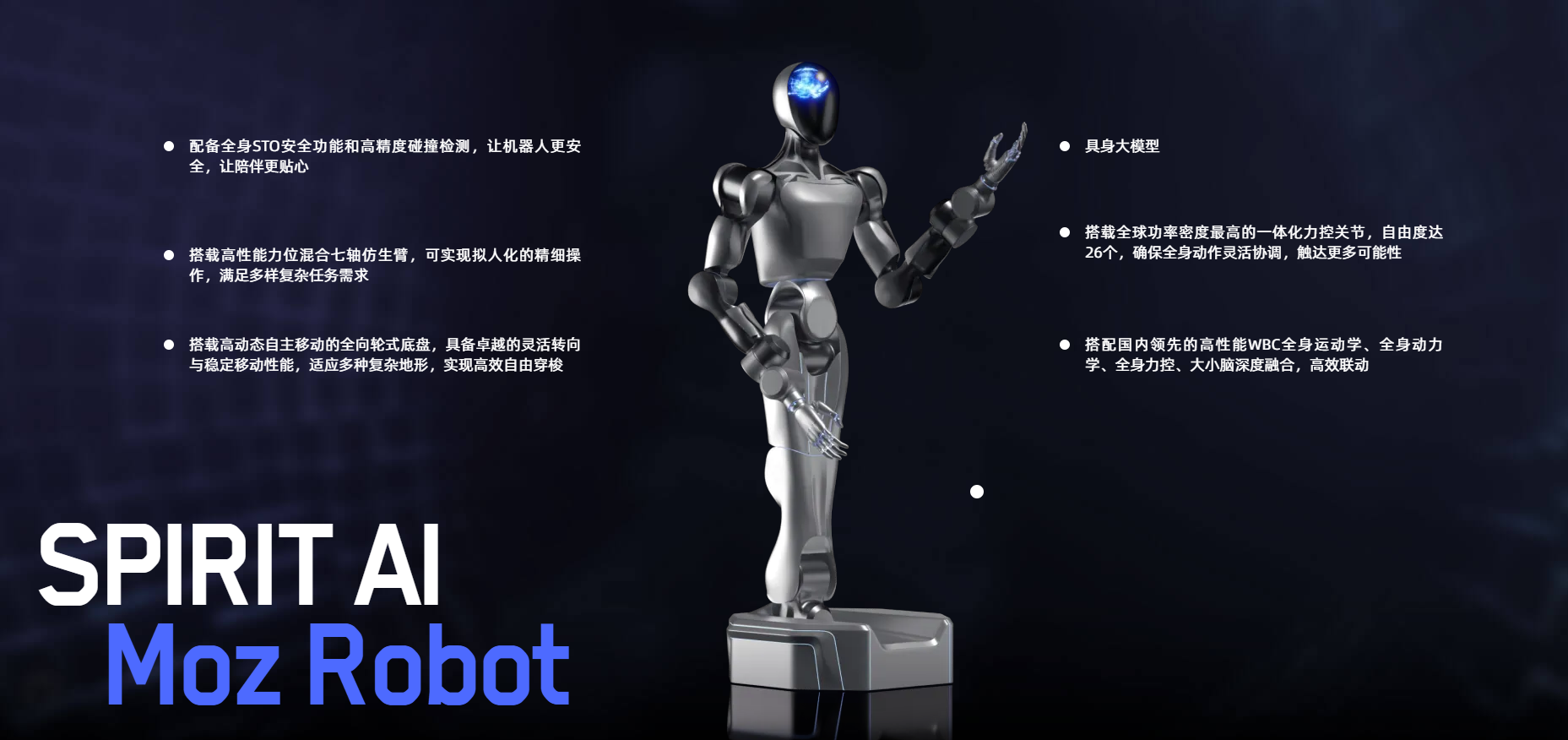
At the heart of this manufacturing revolution is a sophisticated humanoid robot known as Moz. Designed specifically to tackle the most demanding and delicate tasks within battery production, Moz is proving to be a game-changer. One of its primary roles involves precisely connecting high-voltage battery connectors, a process that previously required immense accuracy and steady control from human workers. Handling hundreds of volts during the final testing stages posed significant safety concerns and efficiency challenges due to the inherent risks. Moz has seamlessly integrated into critical End of Line (EOL) and Direct Current Resistance (DCR) testing stages. These are vital checks performed on battery packs before they leave the factory. By taking over these high-stakes operations, Moz has dramatically reduced spark risks, ensuring a safer working environment, while simultaneously delivering more consistent quality and output than manual processes. This level of precision automation is crucial for mass-produced, high-performance EV batteries, marking a significant leap forward in production integrity and worker safety.
Beyond Mechanics: The AI Brain Powering Moz
What truly sets Moz apart from conventional industrial robots is its advanced cognitive capability, powered by sophisticated vision-language-action (VLA) models. This isn't just a pre-programmed machine; Moz can understand its surroundings, adapt to subtle variations in component positioning, and adjust its movements in real time. Imagine a robot that can fine-tune its posture when alignment changes, vary its applied force when handling flexible wire harnesses to prevent damage, and complete connections with a success rate exceeding 99 percent. This dynamic adaptability ensures that Moz can handle the inherent variability of a real-world production line without interruption. In daily operation, its efficiency not only matches but consistently maintains the high standards of experienced human workers, all while delivering unparalleled consistency. This intelligent robotic integration represents the pinnacle of current industrial AI applications, providing a robust solution for complex assembly tasks.
Transforming the Production Line: Beyond Core Duties
Moz's contributions extend far beyond its core assembly tasks. This intelligent automaton actively monitors wire harness connections, flagging any irregularities immediately to drastically reduce defect rates. In between tasks, it seamlessly switches into an inspection mode, ensuring continuous quality control. Perhaps most impressively, when production shifts between different battery models – a common occurrence in dynamic manufacturing environments – Moz demonstrates the ability to cope without interruption. This flexibility is critical for agile manufacturing, allowing for rapid retooling and adaptation. Studies from CATL's Zhongzhou facility show that Moz can achieve up to three times the daily workload with stable performance compared to traditional methods, showcasing incredible scalability and operational resilience. This proactive quality control and flexible manufacturing capability highlights the transformative potential of such intelligent systems, ensuring high output without sacrificing precision.
A Collaborative Ecosystem: Spirit AI and CATL's Innovation Engine
The success of Moz is a testament to strong collaborative innovation. The humanoid robot was developed by Spirit AI, a specialized robotics firm nested within CATL's wider ecosystem, demonstrating a strategic commitment to advanced R&D. Furthermore, Moz is powered by CATL's own cutting-edge battery technology, showcasing a seamless integration across the supply chain and reinforcing the company's full-stack expertise. To ensure this sophisticated technology could be effectively applied on the factory floor, CATL brought together multiple internal teams. These teams meticulously studied real production needs, translating complex operational challenges into practical, engineering-driven solutions. This integrated approach, combining robotics expertise with deep manufacturing knowledge and advanced battery technology, was crucial for moving embodied artificial intelligence from theoretical models to high-volume industrial production, setting a new global standard.
Pioneering the Future: What This Means for Industrial Automation
With Moz now embedded in live manufacturing, CATL has demonstrated a profound paradigm shift in industrial automation. This isn't just about replacing manual labor; it's about elevating manufacturing capabilities to unprecedented levels of safety, precision, and efficiency. The deployment of Moz illustrates how embodied artificial intelligence can be leveraged not just in controlled lab environments but in the demanding, high-volume realities of industrial production. This success story sets a powerful new benchmark for automation in the battery industry and beyond, signaling a future where intelligent machines play an indispensable role in complex assembly lines. For manufacturers across various sectors, this deployment offers a clear roadmap and compelling evidence that CATL brings humanoid robots to battery production. See how this innovation boosts efficiency, shapes future manufacturing, and impacts industrial automation. Get key insights. This landmark achievement is not just a win for CATL but a blueprint for the future of smart factories worldwide, promising enhanced productivity, reduced risks, and a surge in consistent quality across industries.
Conclusion
CATL's pioneering integration of humanoid robots like Moz into its battery production lines marks a monumental step for intelligent manufacturing. By tackling critical high-voltage tasks with unparalleled precision and safety, Moz is redefining operational efficiency and setting new global standards. This transformative shift, powered by advanced AI and collaborative innovation, demonstrates the tangible benefits of embodied artificial intelligence in high-volume industrial settings. The future of manufacturing is here, and it's smarter, safer, and more efficient than ever before.
What are your thoughts on this groundbreaking development? How do you envision humanoid robots shaping the future of your industry? Share your insights in the comments below, or explore more of our content on cutting-edge industrial automation and AI applications! Let's continue the conversation on how these innovations are accelerating our path to a smarter, more automated world.
Frequently Asked Questions (FAQs)
Are humanoid robots replacing human workers at CATL?
While humanoid robots like Moz take over dangerous and highly repetitive tasks, CATL's deployment emphasizes enhancing safety, quality, and efficiency rather than direct replacement. This allows human workers to focus on more complex, creative, and supervisory roles, creating a safer and more productive environment overall. The goal is augmentation and optimization, not necessarily reduction of the workforce, but rather reallocation of human capital to higher-value activities.
What makes Moz unique compared to other industrial robots?
Moz's uniqueness lies in its humanoid form factor and its advanced vision-language-action (VLA) models, enabling it to perform tasks requiring human-like dexterity and adaptability. Unlike fixed-arm industrial robots, Moz can navigate varied environments, adjust posture in real-time, handle flexible components with variable force, and switch between different tasks and battery models seamlessly. This level of cognitive and physical flexibility is a significant differentiator.
How will this technology impact the EV industry?
This technology will profoundly impact the EV industry by increasing the safety, consistency, and speed of battery production. Enhanced precision in high-voltage connections means safer, more reliable battery packs, ultimately leading to higher quality electric vehicles. It can accelerate production scalability, lower manufacturing costs, and potentially lead to faster adoption of new battery technologies, driving innovation across the entire EV ecosystem.
Can this technology be applied to other manufacturing sectors?
Absolutely. The principles behind Moz's capabilities—high-precision assembly, real-time adaptability, safety enhancement, and quality control through AI—are highly transferable. Sectors requiring intricate assembly, hazardous material handling, flexible manufacturing, or consistent quality control, such as electronics, aerospace, pharmaceuticals, and general automotive assembly, could significantly benefit from similar humanoid robot integrations.
What are the next steps for CATL's humanoid robot deployment?
CATL is likely to continue scaling the deployment of Moz across more production lines and potentially other facilities, optimizing their performance and expanding their task repertoire. Future developments could include enhanced AI capabilities for even greater autonomy, more complex problem-solving, and potentially the integration of human-robot collaboration scenarios, further pushing the boundaries of smart manufacturing.
Comments
Post a Comment